The ENTIRE History of China | Ancient to Modern (4K Documentary)


Channel: Beginning To Now
Uploaded by Beginning To Now on 20250109
Categories: Entertainment
Tags: Civilization, Civilisation, History, Education, Ancient, Historic, Evidence, Graham Hancock, Discovery, Discoveries, Egypt, Rome, Empire, Documentary, Movie, The Entire History of, Life, Explained, Humans, World, Prehistoric
The Complete History of China | A Beginning To Now Production The land of China was once shrouded in mystery to the rest of the ancient world. The Silk Road was a connection between the two realms that suggested China to be of immense wealth and power. However, expeditions from distant empires would fail to uncover the true scal

The ENTIRE History of China | Ancient to Modern (4K Documentary)

https://www.youtube.com/watch?v=i_G7pd5eHSo

Overview & Dynastic Hierarchy Summary

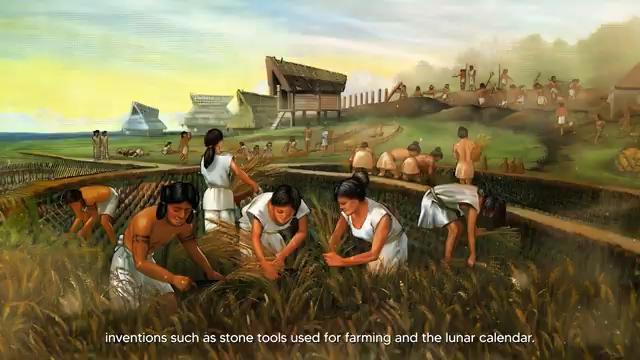
This comprehensive documentary chronicles the 5,000-year history of China, tracing its journey from ancient river settlements along the Yellow and Yangtze rivers through successive imperial dynasties to the modern era.

+-------------------------------------------------------------------------------
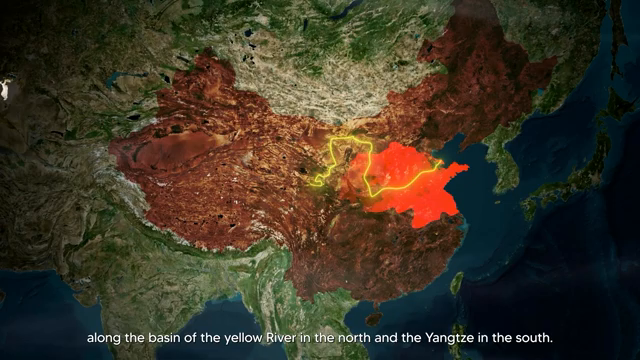
Image for chunk 1

--+

| CHRONOLOGICAL DYNASTIC STRUCTURE |

+-------------------+-----------------------------------+-------------------------+

| Era | Dynasties / Periods | Key Focus / Milestones |

+-------------------+-----------------------------------+-------------------------+

| Ancient Era | Xia, Shang, Zhou | Bronze to Iron Age, |

| |

Image for chunk 2

| 100 Schools of Thought |

+-------------------+-----------------------------------+-------------------------+

| Imperial Era | Qin, Han, Jin, Sui, Tang, | Great Wall, Silk Road, |

| (First & Golden) | Song, Yuan | Golden Ages, Inventions |

+-------------------+-----------------------------------+-------------------------+

| Late Imperial | Ming, Qing

Image for chunk 3

| Century of Humiliation, |

| | | Opium Wars, Rebellions |

+-------------------+-----------------------------------+-------------------------+

| Modern Era | Republic of China, PRC (Mao & Xi) | Civil Wars, PRC Rise |

+-------------------+-----------------------------------+-------------------------+

Detailed Summary by Historical Period

1. The Dawn of Civilization & Early

Image for chunk 4

Dynasties

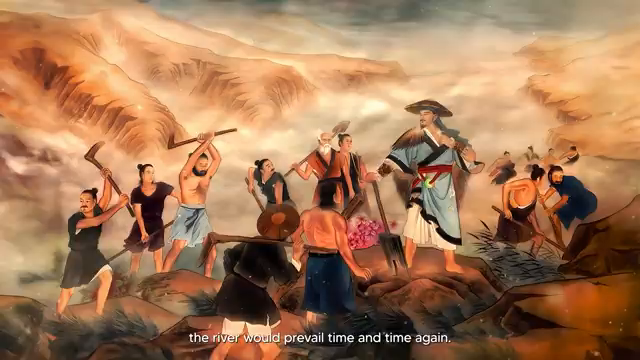
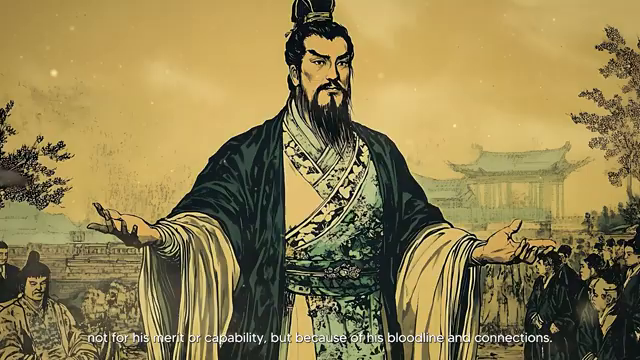
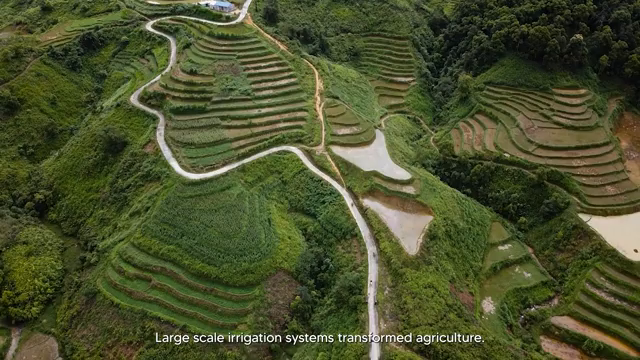
Xia Dynasty (c. 2070 – 1600 BCE): Initiated following Yu the Engineer's success in controlling catastrophic Yellow River floods via canal and irrigation networks [02:27]. This era established China's hereditary ruling system under Yu's son, Qi, and transitioned society into the Bronze Age [03:56].

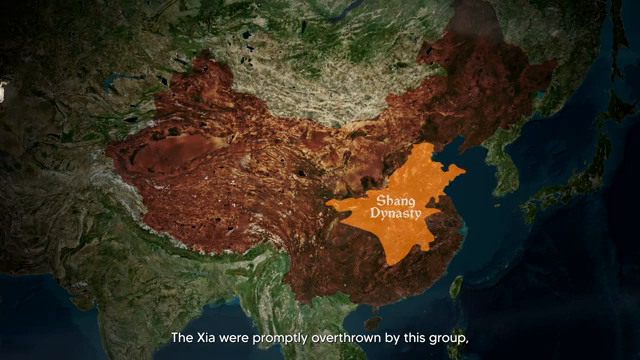
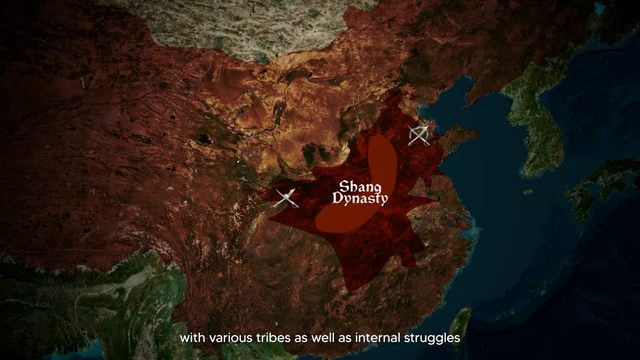
Shang Dynasty (c. 1600 – 1046 BCE): Known for the earliest surviving written records in China—oracle bones engraved on animal bones and t

Image for chunk 5

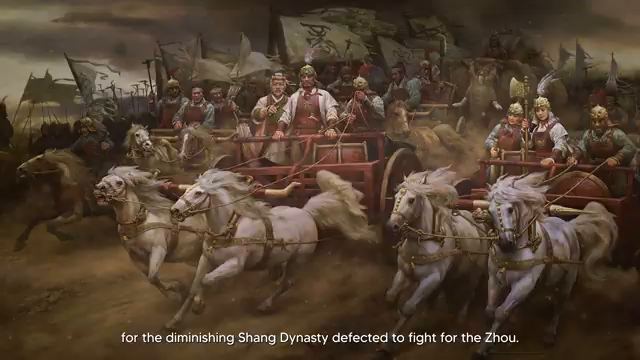
urtle shells [05:23]. The era featured mobile capitals, bronze weaponry, and ritualistic human sacrifices [06:38]. It ended when King Dixin's tyrannical rule provoked the Zhou vassal states to triumph at the Battle of Muye [07:51].

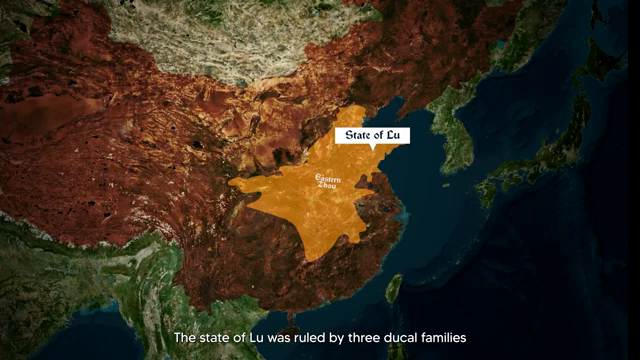
Zhou Dynasty (1046 – 256 BCE): China's longest-lasting dynasty [08:35]. The era is divided into Western and Eastern Zhou [09:52], transitioning metallurgy from bronze to iron [09:25] and giving rise to the "Hundred

Image for chunk 6

Schools of Thought" [15:13]:

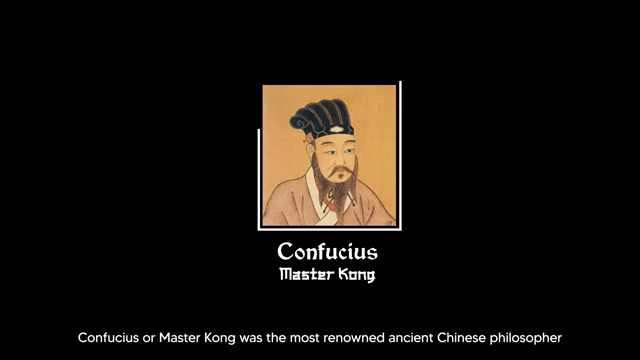
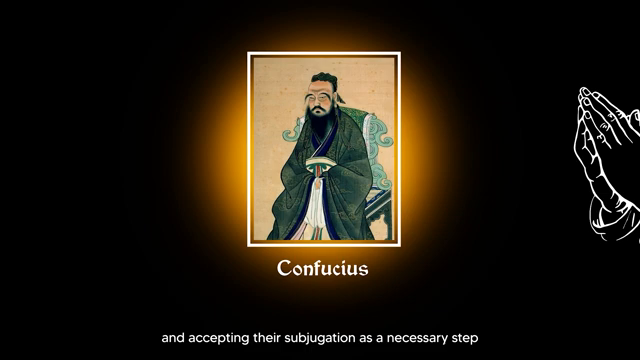
Confucianism: Founded by Confucius (Master Kong), emphasizing moral duty, social order, filial piety, and the "Five Bonds" [12:44].

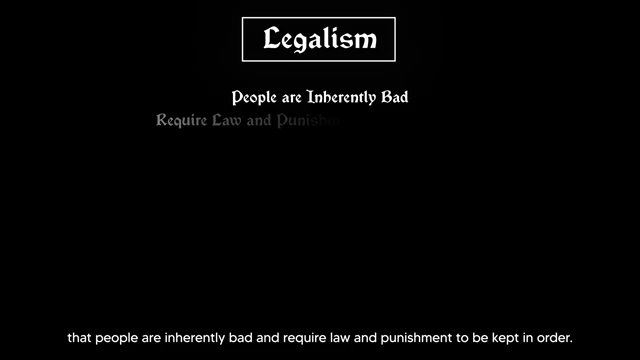
Legalism: Championed by Han Feizi, asserting that humans are inherently flawed and require strict laws and harsh punishments [13:54].

Taoism: Focusing on natural harmony with the universe, encapsulated by the Yin and Yang symbol [14:31].

2. Unification and Early Imperial Power

Warrin

Image for chunk 7

g States Period (475 – 221 BCE): Seven states (Qin, Han, Yan, Wei, Chu, and Qi) fought for dominance [15:43]. Sun Tzu authored The Art of War during this turbulent period [15:51].

Qin Dynasty (221 – 206 BCE): Ying Zheng unified China, declaring himself Qin Shi Huang (First Emperor) [16:50]. Operating under strict legalism, the regime standardized currency, weights, and writing systems, built early iterations of the Great Wall [29:06], and con

Image for chunk 8

structed the magnificent Terracotta Army mausoleum [32:15].

Han Dynasty (206 BCE – 220 CE): Founded by Liu Bang (Emperor Gaozu) [35:21], the Han restored Confucianism and established the civil service examination system based on merit [36:36]. Emperor Wu opened the Silk Road, facilitating massive trade and cultural exchanges with the West [39:15].

3. Fragmentation, Golden Ages, and Invasions

Six Dynasties & Sui Dynasty (581 – 618 CE): Followi

Image for chunk 9

ng the Three Kingdoms and Jin dynasty instability, Emperor Wen of Sui reunited China and advanced public infrastructure.

Tang Dynasty (618 – 907 CE): Widely celebrated as a cultural and economic golden age [51:53], featuring the capital Chang'an as the world's most populous city [01:02:21]. It was severely impacted by the devastating An Lushan Rebellion (755–763) [10:41] and witnessed the invention of gunpowder by Taoist alchemists around 850

Image for chunk 10

CE [01:11:07].

Song Dynasty (960 – 1279 CE): Divided into Northern and Southern periods [01:18:24], characterized by remarkable economic growth, the invention of paper money [01:20:49] and the magnetic compass [01:20:56], alongside Neo-Confucian revival [01:18:50].

Yuan Dynasty (1271 – 1368 CE): Founded by Kublai Khan [01:34:53] after the Mongol conquests led by Genghis Khan [01:22:30]. This era integrated China into the broader Mongol Empir

Image for chunk 11

e, welcoming foreign travelers like Marco Polo [01:37:14].

4. Late Imperial Rule & Foreign Pressures

Ming Dynasty (1368 – 1644 CE): Established by peasant leader Zhu Yuanzhang (Hongwu Emperor) after overthrowing the Mongols [01:38:56]. The Ming built the most famous, visible portions of the modern Great Wall [01:43:37] and dispatched massive maritime expeditions under Admiral Zheng He.

Qing Dynasty (1644 – 1912 CE): Established by the Manchu

Image for chunk 12

[01:44:19], featuring long reigns under emperors like Kangxi [01:44:56]. The 19th century brought the Century of Humiliation, sparked by the Opium Wars (1839–1842 and 1856–1860) against Western powers, resulting in unequal treaties and territorial concessions [01:52:55]. This era also saw the catastrophic Taiping Rebellion (1850–1864) [01:58:07], which claimed tens of millions of lives.

5. Modern China: Republic to the People's Republic

Repub

Image for chunk 13

lic of China (1912 – 1949): The Xinhai Revolution in 1911 successfully overthrew the Qing dynasty, ending thousands of years of imperial rule [02:17:21]. This was followed by the Warlord Era [02:18:50], the Chinese Civil War between the Nationalist KMT and the Communist CCP, and the brutal Second Sino-Japanese War (1937–1945) [02:26:21].

People's Republic of China (1949 – Present): Established on October 1, 1949, under Mao Zedong [02:31:24].

Image for chunk 14

Major socio-political campaigns included the Great Leap Forward [02:32:03] and the Cultural Revolution [02:34:03]. Following Mao's death, Deng Xiaoping introduced economic reforms [02:35:53]. The documentary concludes with the Tiananmen Square protests in 1989 [02:37:16] and the contemporary rise of Xi Jinping as a centralizing modern leader [02:47:39].

The ENTIRE History of China | Ancient to Modern (4K Documentary)

Beginning To Now · 1.6M v

Image for chunk 15

Viewer Discussion & Comments

@vintang1960
For Chinese people, this video has many errors, but for people who know nothing about China, it can give a general understanding of some major events in Chinese history.
@rayluo-v3d
For all friends who are interested in China, I hope you keep in mind the following objective factors, which will help you better understand why China has such a history:
@KpopItaliaNSUB
0:54 - Prehistory
@padraicley3265
It is a Western version and viewpoint, which misses the importance of Chinese culture, especially the imperial Western invasion in the 1800s.
@lobeteccy
As a Chinese, I have finally realized that language is the cornerstone that carries culture.